
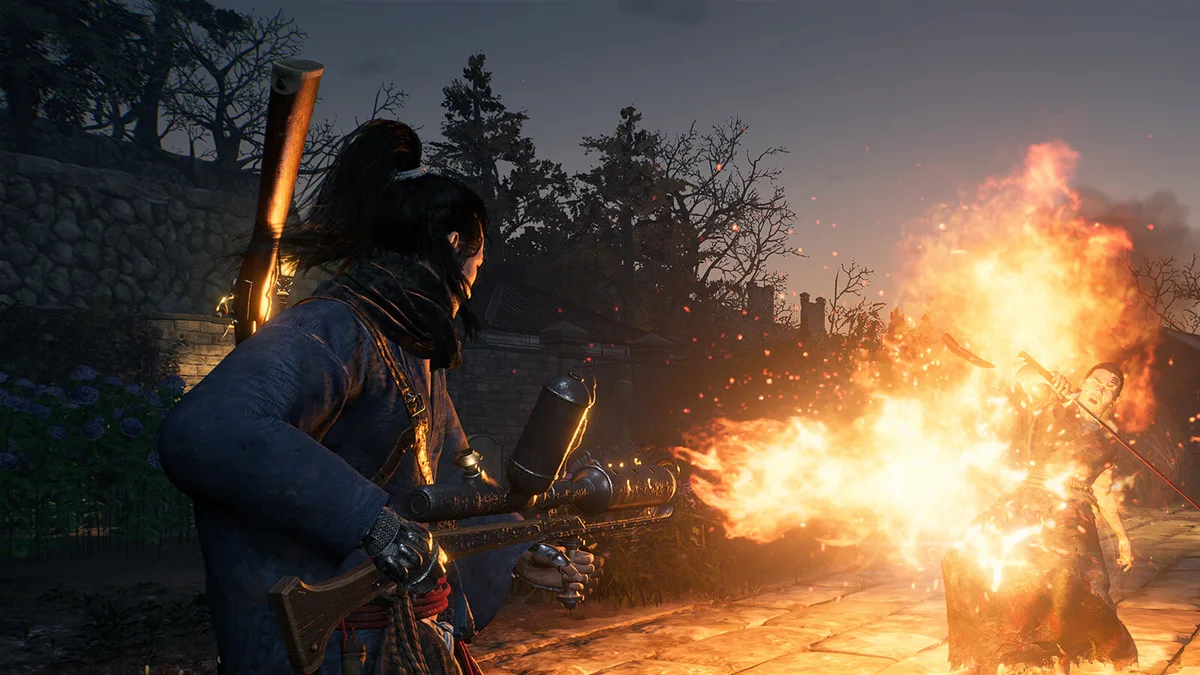
This beginner route assumes a new save and no prior Team Ninja mastery—only a willingness to learn Counterspark.
What your first hour is actually for
Rise of the Ronin drops you into Bakumatsu Japan as a Veiled Edge survivor with a personal grudge and a blank political ledger. The prologue teaches movement, basic attacks, guarding, dodging, and the first taste of Counterspark. Your job in the first hour is not to optimize a final build. It is to leave the tutorial understanding that Ki—not raw health bars—decides who controls a duel.
As soon as the open map opens around Yokohama, slow down. Clear nearby icons only when they teach a system: a combat style mentor, a bond introduction, a public order fight that practices crowd control, or a landmark that unlocks travel. Sprinting every bird-flock marker before you understand style advantage creates a false sense of progress and a real skill gap.
Set a three-item session goal: (1) equip one Ten, one Chi, and one Jin combat style on your primary weapon, (2) complete at least one bond introduction mission, and (3) win three fights where you deliberately Counterspark instead of only dodging. Those three goals transfer to every later region.
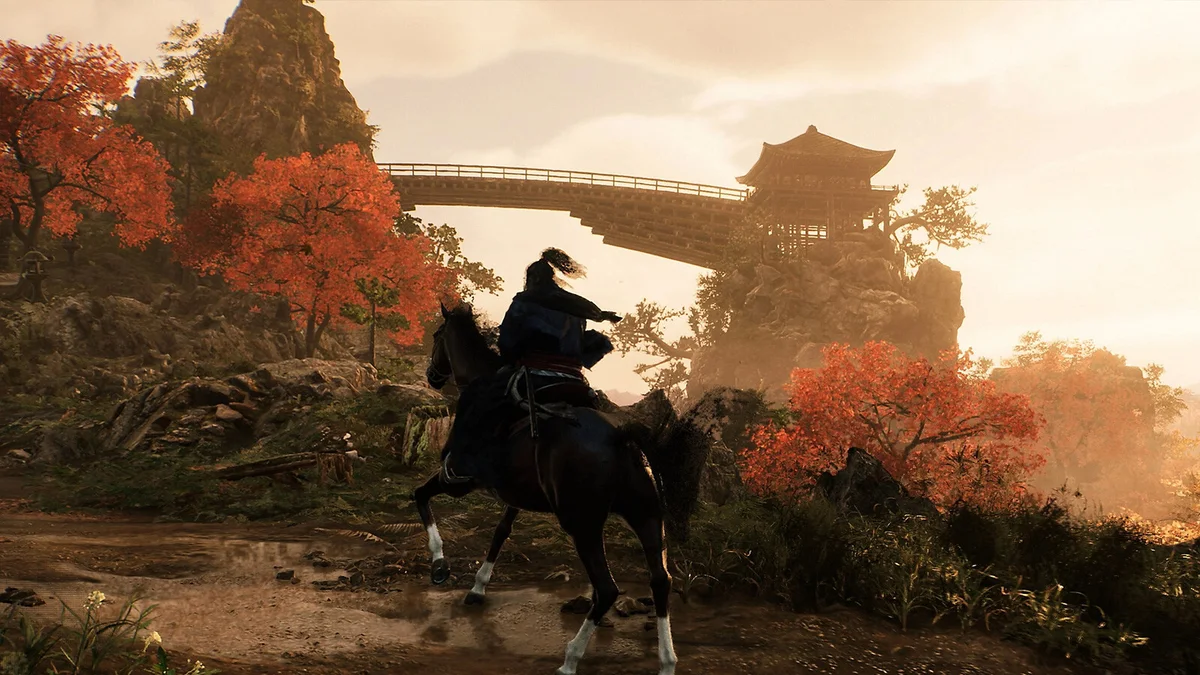
Ki economy and Counterspark before everything else
Melee strings, guards, and dodges all spend or contest Ki. When an enemy’s Ki collapses, they become vulnerable to critical damage and lose the ability to dictate tempo. When your Ki collapses, you are the one who cannot attack or sprint. This is the same high-level lesson Nioh players know, but Rise of the Ronin makes the lesson more accessible and then deepens it with style advantage.
Counterspark (Triangle / the parry input on your layout) is the skill check that separates survival from mastery. A successful Counterspark reduces enemy Ki and can briefly stun. Using Counterspark against attacks you cannot simply guard is often mandatory. Using it with the advantageous combat style (Ten, Chi, or Jin versus the enemy weapon class) multiplies how much maximum Ki you strip.
Practice the parry on predictable street enemies before named bosses. If you only learn Counterspark during a story duel, you will associate the mechanic with panic. If you learn it on patrols, it becomes a habit you can trust when the camera tightens and the soundtrack swells.
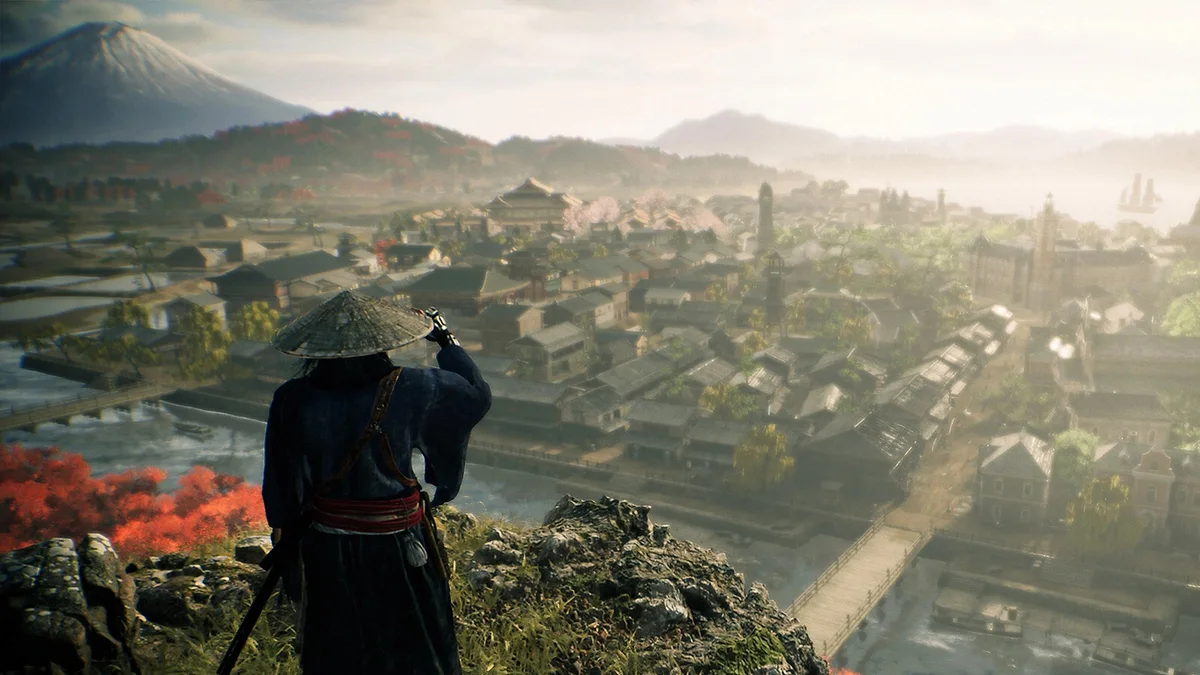
Three styles on one weapon beat five half-learned blades
Each melee weapon can hold up to three active combat styles and swap between them in a fight. Those styles are not just cosmetic combo packs. They carry Ten, Chi, or Jin identities that win or lose the advantage triangle against enemy weapon classes. Ten answers medium weapons, Chi answers heavy weapons, and Jin answers lightweight weapons—while each is weak into the class it does not counter.
For the beginner route, pick one main weapon—katana is the safest—and install coverage for all three colors as soon as the game allows. Only then invest in a secondary weapon for range or crowd control. A bayonet or firearm covers openings; a spear or polearm covers space. You do not need every weapon type in chapter one.
Bond characters teach many of the best styles. When a mission prompt offers training, take it even if the story detour feels small. Style ranks (Novice → Intermediate → Advanced → Master) change Martial Skills and combos more than raw attack numbers do at the same gear tier.
Bonds, public order, and a sane map diet
Bonds are the social skill tree of Rise of the Ronin. Raising a bond can unlock combat styles, missions, gifts, and story leverage. Talk to people after major missions, deliver preferred gifts when you have them, and finish bond missions while you are still in the region instead of banking twenty markers for later.
Use allies when the game offers them. Rise of the Ronin is happier when you fight as a small unit than when you insist on pure solo pride in every street brawl. Save pure solo ambition for bosses you specifically want to master.
Difficulty mindset for Team Ninja combat
If you come from pure open-world action games, expect a stricter parry-and-Ki grammar. If you come from Nioh, expect more accessibility systems, partner AI, and open-map friction reduction—without fully abandoning the studio’s timing demands. Both audiences are served if you respect Counterspark and style advantage.
Deaths are information. Ask whether you lost because of Ki bankruptcy, wrong style color, greed after a partial parry, or simply bad positioning against three enemies. That diagnosis is more useful than rerolling your entire inventory.
Once Yokohama feels readable—triangle coverage on your main weapon, two bonds in progress, Counterspark landing more often than not—push the main missions. The beginner guide ends when the systems are legible, not when the map is empty.
This beginner route page is meant to be used mid-session: change one equipped style, attempt a deliberate Counterspark string, or start one bond mission, then return only if the next obstacle needs a different system.
Quick answers
FAQ
What weapon should a new Rise of the Ronin player use first?
Start with the katana because it pairs the largest combat-style library with recovery windows that forgive early Counterspark mistakes. Equip Ten, Chi, and Jin coverage on that blade before you invest hours into odachi or oxtail experiments. Add a spear or firearm second so spacing tools exist while the main blade stays readable in every Yokohama street fight.
Is Counterspark required or optional?
You can dodge many trash-pack attacks, but Counterspark is the intended answer whenever an enemy swing cannot be safely guarded and whenever you need to peel maximum Ki instead of chipping temporary Ki. Practice the parry on patrol enemies first so boss telegraphs feel like familiar homework rather than a panic button you never trained.
Should I finish every map icon before the story?
No. Clear icons that teach combat styles, open bonds, or force you to practice crowd control, then continue the critical path. Returning later with Master-rank Martial Skills is faster than forcing full region completion while your triangle coverage is still incomplete and every elite feels like a brick wall.